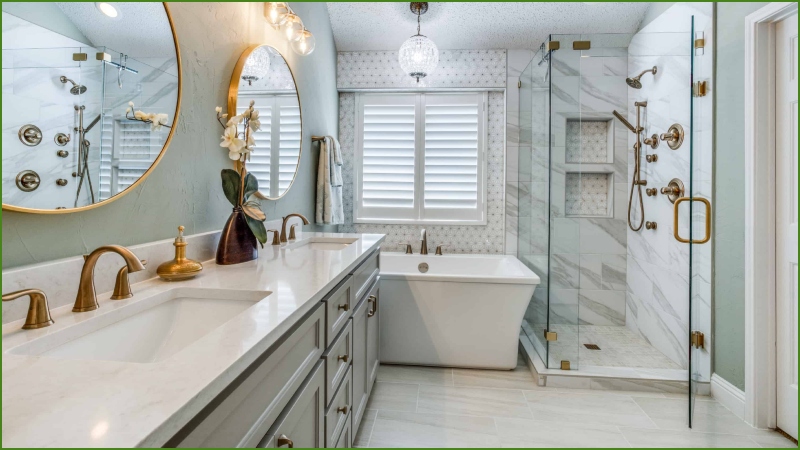
How to Remodel a Bathroom A bathroom is one of the most important spaces in any home. Although it may not be the largest room, it is one of the most frequently used areas. From preparing for the day ahead to relaxing after a long day, the bathroom plays a vital role in everyday life. Over time, however, bathrooms begin to show signs of aging, including worn-out fixtures, outdated designs, poor lighting, limited storage, and plumbing issues. These problems can affect both comfort and functionality, making remodeling an attractive solution for many homeowners.
A well-planned bathroom remodel does much more than improve appearance. It enhances convenience, increases property value, improves energy efficiency, and creates a more enjoyable living environment. Whether you are planning a small update or a complete transformation, understanding the remodeling process can help you achieve the best possible results.
Why Bathroom Remodeling Is Worth the Investment
Bathroom remodeling is one of the most valuable home improvement projects because it improves both functionality and aesthetics. A modern bathroom provides a better user experience while making the property more appealing to future buyers. Outdated bathrooms often suffer from inefficient layouts, aging plumbing systems, poor ventilation, and insufficient storage. Renovating the space allows homeowners to solve these issues while creating a more modern and comfortable environment.
In addition to improving daily life, a remodeled bathroom can significantly increase resale value. Many buyers prioritize updated bathrooms when searching for a new home, making this type of renovation a smart long-term investment.
Signs That Your Bathroom Needs Remodeling
Many homeowners delay renovations until problems become impossible to ignore. However, recognizing the warning signs early can prevent expensive repairs in the future. Persistent mold growth, water leaks, cracked tiles, outdated fixtures, poor lighting, damaged cabinetry, and inadequate storage are all indicators that a bathroom may need remodeling.
If these issues continue to worsen, they can lead to structural damage, higher maintenance costs, and reduced property value. Addressing them through a renovation project helps maintain the safety and functionality of the home.
Setting a Realistic Remodeling Budget
Before beginning any renovation project, establishing a clear budget is essential. How to Remodel a Bathroom Bathroom remodeling costs vary depending on room size, material selection, labor rates, and the scope of work involved. While smaller cosmetic updates may require a modest investment, luxury renovations with premium finishes can cost significantly more.
A successful budget should include expenses for labor, materials, fixtures, plumbing upgrades, lighting, and a contingency fund for unexpected issues. Hidden problems such as water damage or outdated wiring are often discovered during demolition, making financial preparation especially important.
Defining Your Bathroom Remodeling Goals
Every renovation should begin with a clear understanding of what you hope to achieve. Some homeowners focus on creating a luxury spa-like retreat, while others prioritize functionality, storage, or resale value. Defining your goals early helps guide design decisions and prevents unnecessary spending.
Understanding your priorities also makes it easier to choose materials, fixtures, and layouts that align with your vision for the space.
Planning an Efficient Bathroom Layout
A beautiful bathroom is only successful if it functions well. Layout planning plays a major role in ensuring comfort and convenience. Homeowners should carefully consider fixture placement, traffic flow, storage requirements, and accessibility when designing the space.
Whenever possible, keeping sinks, toilets, and showers in their existing locations can reduce plumbing costs. A well-designed layout creates a sense of openness while maximizing available space.
Choosing Durable and Moisture-Resistant Materials
Because bathrooms are exposed to constant moisture and humidity, selecting the right materials is critical. Durable flooring options such as porcelain tile, ceramic tile, and luxury vinyl provide excellent water resistance while maintaining an attractive appearance.
Countertops made from quartz or granite offer durability and easy maintenance, while moisture-resistant cabinetry helps prevent damage caused by humidity. Investing in high-quality materials ensures long-lasting performance and reduces future maintenance requirements.
Upgrading Plumbing and Water Efficiency
How to Remodel a Bathroom Bathroom remodeling provides an excellent opportunity to improve plumbing systems and reduce water consumption. Modern fixtures are designed to use less water without sacrificing performance. Installing low-flow toilets, water-efficient faucets, and advanced showerheads can lower utility bills while supporting environmental sustainability.
Updating older plumbing systems also helps prevent leaks, water damage, and costly repairs in the future.
Improving Bathroom Lighting
Lighting has a significant impact on both functionality and atmosphere. A properly illuminated bathroom feels larger, cleaner, and more inviting. Effective lighting design combines ambient lighting for general visibility, task lighting for grooming activities, and accent lighting to highlight decorative features.
Layering these different types of lighting creates a balanced environment that enhances both practicality and visual appeal.
The Importance of Proper Ventilation
Ventilation is one of the most overlooked aspects of bathroom remodeling. Without adequate airflow, moisture can accumulate and lead to mold growth, peeling paint, damaged cabinetry, and unpleasant odors.
Installing a high-quality exhaust fan helps regulate humidity levels and protects the bathroom from long-term moisture-related problems. Proper ventilation contributes to a healthier and more durable living environment.
Maximizing Bathroom Storage Space
Storage is essential for maintaining an organized and clutter-free bathroom. Thoughtful storage solutions allow homeowners to keep toiletries, towels, and personal items neatly arranged while preserving valuable floor space.
Modern storage options include built-in cabinets, floating shelves, recessed niches, vanity drawers, and medicine cabinets. Incorporating storage into the initial design plan improves both functionality and appearance.
Why Waterproofing Should Never Be Ignored
Waterproofing is one of the most critical steps in any bathroom renovation. Without proper protection, moisture can penetrate walls, floors, and structural components, causing extensive damage over time.
Professional waterproofing systems create a protective barrier that helps prevent mold growth, wood rot, and costly repairs. Investing in quality waterproofing materials ensures the long-term success of the renovation.
Installing Finishes and Fixtures
Once plumbing, electrical work, and waterproofing have been completed, the installation of flooring, wall finishes, and fixtures can begin. This stage transforms the design concept into reality and significantly impacts the final appearance of the space.
Careful attention to detail during installation helps ensure a polished, professional result that will remain attractive for years to come.
Common Bathroom Remodeling Mistakes to Avoid
Many renovation problems stem from avoidable mistakes such as underestimating costs, selecting low-quality materials, ignoring ventilation, or failing to waterproof critical areas. Homeowners who prioritize aesthetics over functionality often regret their decisions later.
Planning carefully and working with qualified professionals can help avoid these common issues and improve the overall outcome of the project.
DIY vs Hiring Professional Contractors
While some remodeling tasks can be completed by homeowners, others require professional expertise. Painting, basic demolition, and accessory installation may be suitable DIY projects. However, plumbing, electrical work, waterproofing, and structural modifications are generally best left to experienced professionals.
Professional workmanship often saves money in the long run by reducing the risk of mistakes and ensuring compliance with building codes.
Conclusion
How to Remodel a Bathroom Bathroom remodeling is one of the most rewarding investments a homeowner can make. A well-designed renovation improves functionality, enhances comfort, increases property value, and creates a more enjoyable living environment. By focusing on careful planning, quality materials, efficient layouts, and proper waterproofing, homeowners can create a beautiful and durable bathroom that serves their needs for many years.
Whether your goal is a simple refresh or a complete luxury transformation, following a structured remodeling process will help ensure a successful and satisfying result.