
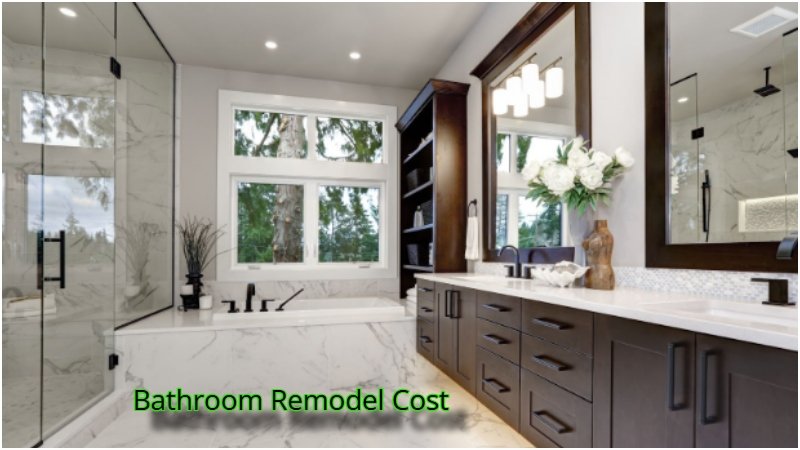
Planning a bathroom renovation starts with one important question: How much does a bathroom remodel cost?
In 2026, most U.S. homeowners can expect to spend about $6,651 to $17,654 on a professional bathroom remodel. The average is around $12,149, according to current cost data. However, a small cosmetic update may cost only a few thousand dollars, while a luxury renovation can go far beyond $30,000.
Your final bathroom remodel cost depends on much more than the room’s size. Labor, plumbing, tile, fixtures, cabinetry, electrical work, permits, and material quality can all change the final bill.
The biggest price difference usually comes from the scope of the project. Replacing a vanity and painting the walls is very different from removing everything and rebuilding the bathroom.
This guide breaks down the major expenses so you can estimate your budget before hiring a contractor.
How Much Does a Bathroom Remodel Cost in 2026?
A professional bathroom remodel typically falls between $6,651 and $17,654, with an average cost of approximately $12,149. Some smaller projects can cost less, while extensive renovations can reach $30,000 or more. Luxury bathroom renovations may exceed $80,000.
For planning purposes, you can think about bathroom renovations in three broad levels:
| Project Level | Approximate Cost |
|---|---|
| Minor cosmetic update | $1,500–$6,000 |
| Standard remodel | $6,500–$18,000 |
| Major or luxury remodel | $20,000–$50,000+ |
These are planning ranges, not guaranteed contractor quotes. Prices vary significantly by location and project requirements.
For example, a bathroom that needs new plumbing and electrical work will usually cost much more than one that only needs new flooring, paint, and fixtures. Visit my website, PROLIVINGINSIGHT, for more details
Bathroom Remodel Cost per Square Foot
Bathroom remodeling commonly costs around $70 to $250 per square foot, depending on the materials, layout, and amount of work involved.
That makes the size of your bathroom an important starting point when planning a budget.
| Bathroom Size | Estimated Remodeling Cost |
|---|---|
| 25 sq. ft. | $1,800–$6,300 |
| 40 sq. ft. | $2,800–$10,000 |
| 50 sq. ft. | $3,500–$12,500 |
| 75 sq. ft. | $5,300–$18,800 |
| 100 sq. ft. | $7,000–$25,000 |
These figures illustrate how costs can scale with space, but they should not be treated as exact quotes. A small bathroom with a custom shower can cost more than a larger bathroom with inexpensive finishes.
The layout also matters.
If you keep your existing sink, toilet, and shower locations, you may avoid substantial plumbing expenses. Moving those fixtures can require new supply and drain lines.
Bathroom Remodel Cost by Bathroom Type
Not every bathroom has the same remodeling requirements.
A powder room may need only a vanity, toilet, lighting, flooring, and paint. A primary bathroom may require a shower, bathtub, double vanity, extensive tilework, and more complicated plumbing.
Half-Bath or Powder Room
A half-bath remodel can cost approximately $1,500 to $15,000, depending on the size, finishes, and scope of work.
Because there is usually no bathtub or shower, you can often remodel a powder room for less than a full bathroom.
Full Bathroom
A full bathroom with a toilet, sink, shower, or tub can cost roughly $3,500 to $20,000.
Tile, waterproofing, plumbing, and shower installation can account for a significant portion of the budget.
Primary Bathroom
A larger primary bathroom can cost approximately $7,000 to $30,000, depending on the features and materials selected.
Adding custom cabinetry, a large walk-in shower, premium countertops, heated flooring, or a freestanding tub can push the cost higher.
Bathroom Remodel Cost Breakdown
Understanding individual expenses makes it easier to control your overall budget.
Labor
Labor is often one of the largest expenses in a bathroom renovation.
Current estimates suggest labor can account for approximately 40% to 65% of the total remodeling budget.
A bathroom remodel may require several trades, including a plumber, electrician, tile installer, carpenter, painter, and general contractor.
The more complicated the project becomes, the more labor you are likely to need.
Moving plumbing or electrical systems can add substantial time to the project.
Demolition
Before installing new materials, the existing bathroom may need to be removed.
Professional demolition can add approximately $1,000 to $2,300 to the project. Disposal can create another expense depending on how much material needs to be removed.
Demolition may include removing:
- Old tile
- Flooring
- Vanity
- Toilet
- Bathtub
- Shower
- Cabinets
- Drywall
If your contractor’s estimate does not clearly include demolition and disposal, ask about these costs before signing a contract.
Shower and Bathtub Costs
The shower or bathtub can become one of the largest parts of your bathroom budget.
Current estimates put shower remodeling at roughly $200 to $15,000, depending on the type of shower and installation.
A basic prefabricated shower system is generally less expensive than a custom tiled shower.
A tub-to-shower conversion can cost around $1,200 to $3,600 for many projects, although more elaborate conversions can cost considerably more.
Custom showers can become expensive because you may need waterproofing, tile installation, a shower pan, glass doors, niches, benches, and upgraded fixtures.
If your goal is to control costs, keeping the existing shower location can help.
Tile and Flooring
Tile is another major cost to consider.
Bathroom retiling can cost approximately $10 to $50 per square foot, including installation, depending on the material and complexity.
Ceramic and porcelain are common choices because they offer durability and many design options.
Natural stone can cost substantially more.
The installation pattern matters too. Straightforward layouts are generally easier to install than intricate patterns involving numerous cuts.
For flooring, waterproof vinyl can provide a lower-cost alternative to premium stone while offering a wide range of styles.
Whatever material you choose, moisture resistance should be a major consideration.
Vanity and Countertop Cost
Replacing the vanity can make a bathroom look completely different without changing the entire room.
A basic prefabricated vanity generally costs less than custom cabinetry.
Your final price depends on the:
- Vanity size
- Cabinet material
- Countertop
- Number of sinks
- Faucet selection
- Installation
- Plumbing changes
Countertop prices can vary dramatically by material. Ceramic, porcelain, laminate, quartz, granite, and marble all occupy different price ranges.
Custom stone surfaces can quickly increase the overall budget.
If your existing vanity is structurally sound, replacing only the countertop, faucet, hardware, or cabinet finish may provide a less expensive update.
Toilet Replacement Cost
A toilet is usually not the most expensive part of a remodel, but your choice can still affect the budget.
Basic models are relatively affordable. Premium smart toilets can cost thousands of dollars.
Installation is another consideration.
If the toilet stays in its existing location, the installation is generally simpler. Moving it can require changes to the drain and supply plumbing.
Current cost data shows toilet prices can range from several hundred dollars for standard models to around $4,000 for some smart models.
You do not need an expensive toilet to create a modern bathroom.
Plumbing Costs
Plumbing can have a major impact on your bathroom remodel cost.
Replacing a faucet is one thing. Moving a toilet or shower to another wall is something completely different.
Current estimates put plumber rates around $45 to $200 per hour, while plumbing updates during a bathroom remodel can average around $800. Major plumbing work can cost considerably more.
Changing the floor plan can also add thousands of dollars because supply and drain lines may need to be relocated.
This is why keeping your existing bathroom layout is one of the most practical ways to control remodeling expenses.
Electrical and Lighting Costs
Modern bathrooms often need more than a basic ceiling light.
A remodel may include a new vanity light, recessed lighting, additional outlets, an exhaust fan, heated flooring, or a lighted mirror.
Installing a new light fixture can cost approximately $200 to $600, while a new bathroom ventilation fan with lighting can cost around $400 based on current cost estimates.
Electrical work should be handled by a qualified professional when new wiring, circuits, or outlets are required.
Permits and Inspection Costs
Permits are another expense homeowners sometimes forget.
You may need permits when changing plumbing, electrical systems, structural components, or the bathroom layout.
Current estimates suggest bathroom remodeling permits can cost approximately $100 to $1,000, depending on the project and location.
Permit requirements vary by city and state, so check with your local building department before beginning major work.
What Makes a Bathroom Remodel More Expensive?
Several decisions can cause your budget to increase quickly.
Moving Plumbing
Changing the location of a toilet, sink, shower, or tub can require new plumbing lines.
This can add significant labor and material costs.
Custom Features
Custom vanities, built-in storage, specialty shower systems, unusual tile patterns, and custom glass can increase installation time and material costs.
Premium Materials
Marble, natural stone, luxury fixtures, designer hardware, and premium countertops can push the project toward the higher end of the budget.
Expanding the Bathroom
Adding square footage can turn a simple renovation into a much larger construction project.
You may need additional framing, flooring, drywall, plumbing, electrical work, and permits.
Hidden Water Damage
Water damage can remain hidden behind walls or underneath flooring.
Once demolition begins, damaged framing, subflooring, or other components may need repair before new finishes can be installed.
That is why you should avoid planning a budget that leaves no room for unexpected expenses.
How to Save Money on a Bathroom Remodel
You can create a major visual improvement without rebuilding the entire room.
The most effective strategy is often to keep the existing layout.
If your toilet, sink, and shower are already positioned correctly, replacing them without relocating the plumbing can save money.
You can also combine inexpensive and premium materials.
For example, you could spend more on a quality shower system while choosing an affordable vanity and flooring.
Prefabricated products can also reduce costs compared with custom-built alternatives.
Painting the walls, replacing cabinet hardware, installing a mirror, or changing light fixtures can provide noticeable improvements without requiring a complete renovation.
Current cost guidance also recommends comparing prices, using in-stock products, and looking for discounted fixtures when appropriate.
How Much Should You Budget for a Bathroom Remodel?
Your budget should reflect the type of renovation you actually want.
For a simple cosmetic update, you may be able to work within a few thousand dollars.
For a standard professional renovation, a budget around $10,000 to $18,000 gives you a more realistic starting point based on current national cost ranges.
For a larger primary bathroom with custom features, you may need $20,000 or considerably more.
Do not spend your entire budget on fixtures and finishes.
Leave room for demolition, permits, labor, and unexpected repairs.
Bathroom Remodel Cost: A Sample $15,000 Budget
Suppose you have a $15,000 remodeling budget.
You might divide it roughly like this:
| Expense | Example Budget |
|---|---|
| Labor | $5,500 |
| Shower or tub | $2,000 |
| Vanity and countertop | $1,800 |
| Tile and flooring | $1,500 |
| Toilet and fixtures | $700 |
| Lighting and electrical | $700 |
| Paint and accessories | $400 |
| Permits and disposal | $400 |
| Contingency | $2,000 |
This is only an example, not a standard pricing formula.
Your actual budget could look very different depending on local labor rates and the condition of the bathroom.
Should You Remodel or Repair Your Bathroom?
Not every outdated bathroom needs a complete remodel.
If the plumbing works properly, the layout is functional, and the main surfaces are in good condition, a cosmetic update may be enough.
You could replace the vanity, mirror, lighting, hardware, and flooring while keeping the existing plumbing.
A full remodel makes more sense when the bathroom has recurring leaks, damaged surfaces, outdated plumbing, poor ventilation, an inefficient layout, or major functional problems.
Before deciding, determine whether you are trying to solve a functional problem or simply update the appearance.
That distinction can save thousands of dollars.
Is a Bathroom Remodel Worth the Cost?
The answer depends on your goals.
If you plan to stay in your home for years, improved comfort and functionality may be more important than resale value.
If you are preparing to sell, practical improvements and broadly appealing finishes may make more sense than highly personalized luxury features.
A remodel can improve the appearance and usability of a bathroom, but you should not assume that every dollar spent will return the same amount when you sell.
The local housing market, quality of the work, project scope, and buyer preferences all affect the financial outcome.
How to Plan a Bathroom Remodel
A successful renovation starts before demolition.
First, determine what you want to change.
Next, measure the bathroom and decide whether the current layout works.
Then establish a realistic budget and choose your major fixtures.
After that, get detailed estimates from qualified contractors.
Ask each contractor what the quote includes. Confirm whether demolition, disposal, permits, materials, installation, and cleanup are included.
Finally, keep a contingency reserve for unexpected repairs.
This approach helps prevent a common problem: spending too much on finishes before accounting for labor and necessary construction work.
Frequently Asked Questions
What is the average bathroom remodel cost in 2026?
The average is approximately $12,149, while many professional remodels fall between $6,651 and $17,654. The actual price depends on location, bathroom size, materials, fixtures, and project scope.
How much does it cost to remodel a small bathroom?
A small bathroom remodel can cost approximately $1,500 to $15,000, with an average around $6,500.
What is the most expensive part of a bathroom remodel?
Labor can represent roughly 40% to 65% of the total project cost. Plumbing changes, custom showers, extensive tilework, and structural work can also become major expenses.
Is it cheaper to remodel a bathroom yourself?
DIY work can reduce labor expenses for suitable tasks such as painting and some cosmetic upgrades. However, complex plumbing, electrical, waterproofing, and structural work should be handled by qualified professionals.
How can I reduce my bathroom remodeling budget?
Keep the existing plumbing layout, compare material prices, choose ready-made fixtures, limit custom work, and prioritize improvements that solve actual problems.
Does a bathroom remodel increase home value?
A renovated bathroom can improve a home’s appeal and functionality, but the amount recovered at resale varies by market, project quality, and renovation scope. It is better to treat resale value as one consideration rather than assuming a guaranteed return.
Final Thoughts
The bathroom remodel cost in 2026 can range from a few thousand dollars for a simple update to tens of thousands for a complete luxury renovation.
The biggest mistake is starting demolition without a realistic budget.
Before you begin, understand the cost of labor, plumbing, tile, fixtures, permits, demolition, and potential repairs. Then decide which improvements actually matter to you.
If the current layout works, keeping it can save money. If the bathroom has serious functional problems, investing in plumbing or structural improvements may be more important than expensive finishes.
A successful bathroom remodel is not necessarily the one with the highest budget. It is the one where the money is planned carefully and spent on improvements that provide lasting value and everyday comfort.