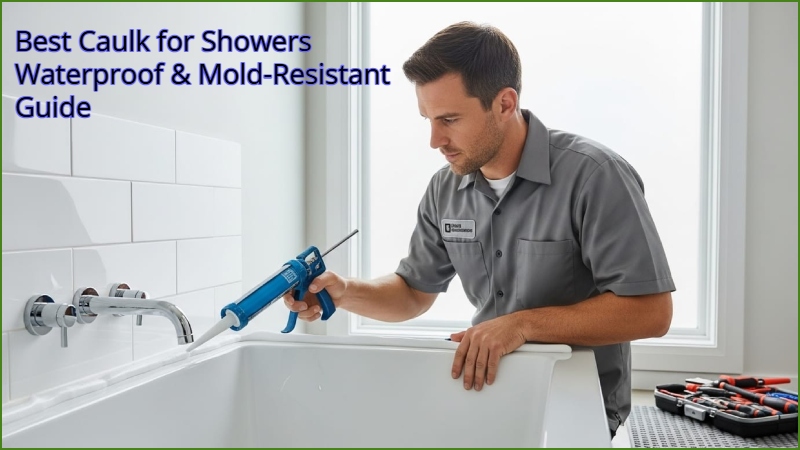
The Best Caulk for Showers is the place in the house that endures the most water, so its safety depends on the strength of its sealing. If there is even a small gap, water can get in and start causing damage, such as mold, structural weakness and expensive repairs. That’s why choosing the best caulk is so important because it creates a safe, flexible and waterproof layer that will protect your bathroom for a long time. In this guide, you will find everything you need to make the right choice.
Why Shower Caulking Is Essential
Shower areas are constantly exposed to water, steam, and temperature changes. Over time, these conditions naturally break down weak sealing materials.
Caulking is used to seal joints where water can easily enter, such as edges between tiles, bathtubs, glass panels, and plumbing fixtures. Without proper sealing, water slowly seeps into hidden layers, which can damage walls, flooring, and even structural components.
Using the Best Caulk for Showers ensures that these vulnerable areas remain fully protected. A high-quality seal prevents leaks, blocks moisture, and maintains hygiene by reducing mold and mildew growth.
Key Qualities of a High-Performance Shower Caulk
Not all caulks are suitable for wet environments. A proper shower-grade sealant must meet several essential performance requirements.
The most important factor is water resistance. The material must form a complete waterproof barrier that does not break down even after constant exposure to water.
Flexibility is equally important. Bathrooms naturally expand and contract due to heat and humidity, and rigid materials tend to crack under this movement. A flexible caulk maintains its seal even under pressure.
Durability also plays a major role. A high-quality product should remain effective for years without shrinking, peeling, or deteriorating.
Another critical requirement is resistance to mold and mildew. Since bathrooms are humid environments, caulk must prevent biological growth to maintain both appearance and hygiene.
Types of Caulk Used in Showers
Understanding different caulking materials helps in selecting the most reliable option for long-term use.
100% Silicone Caulk (Most Reliable Option)
Silicone-based caulk is widely considered the strongest and most durable choice for showers. It is specifically designed for high-moisture environments and creates a fully waterproof seal.
It bonds well to tile, glass, porcelain, and acrylic surfaces. Once cured, it remains flexible and does not crack easily, even after years of exposure to heat and water.
It is also highly resistant to mold and mildew, making it ideal for bathrooms with constant humidity.
Because of these qualities, silicone is widely recognized as the Best Caulk for Showers for long-term performance.
However, it is not paintable and requires careful application since it sets relatively quickly.
Siliconized Acrylic Caulk (Balanced Option)
This type is a blend of silicone and acrylic materials. It is easier to apply and clean compared to pure silicone.
It also allows painting, which can be useful for cosmetic finishing. However, its durability in high-moisture environments is lower.
Over time, it may lose flexibility and begin to break down in areas with constant water exposure, making it a secondary option rather than a primary solution.
Acrylic Latex Caulk (Not Recommended for Showers)
Acrylic latex caulk is mainly used for dry indoor applications. It is easy to apply and paint, but it does not perform well in wet environments.
In showers, it absorbs moisture and deteriorates quickly. It can crack, shrink, and lose adhesion over time, leading to early failure.
For this reason, it is not suitable for long-term shower sealing.
Why Silicone Is the Preferred Choice
Silicone remains the most trusted material for bathroom sealing because it performs consistently under extreme conditions.
Its biggest advantage is long-term flexibility. Unlike other materials, it does not harden or crack over time. This makes it ideal for surfaces that experience frequent movement and moisture exposure.
It also provides permanent waterproof protection, which prevents hidden leaks and structural damage.
Additionally, silicone resists cleaning chemicals and temperature changes, ensuring long-term stability.
For these reasons, professionals consistently recommend silicone when choosing the Best Caulk for Showers.
Common Causes of Caulk Failure
Even high-quality caulk can fail if it is not installed correctly.
One of the most common issues is improper surface preparation. If old caulk, dirt, or soap residue is not fully removed, new material cannot bond properly.
Moisture is another major factor. Applying caulk on a wet surface weakens adhesion and reduces its lifespan.
Using the wrong type of caulk is also a frequent mistake. Many homeowners use general-purpose or paintable caulk in showers, which is not designed for constant water exposure.
Poor ventilation can also accelerate deterioration by increasing humidity levels inside the bathroom.
Proper Application Method
Correct application is just as important as product selection.
The surface should first be thoroughly cleaned and all old material removed completely. Any leftover residue can weaken the new seal.
Once cleaned, the area must be fully dry before application begins. This ensures maximum adhesion.
The caulk should then be applied in a smooth, continuous line without breaks. This helps prevent weak points where water could enter.
After application, smoothing the bead ensures even coverage and improves both appearance and durability.
Finally, the caulk must be left to cure fully before exposure to water. Rushing this step can reduce performance significantly, even when using the Best Caulk for Showers.
Lifespan of Shower Caulk
The durability of caulk depends on its material and installation quality.
High-quality silicone caulk can last many years, often more than a decade in properly maintained bathrooms. In some cases, it can last even longer.
Siliconized acrylic and acrylic-based products generally have shorter lifespans and may require replacement sooner, especially in high-moisture environments.
Maintenance Tips for Longer Life
Regular maintenance helps extend the lifespan of shower caulk.
Proper ventilation reduces humidity buildup, which slows down mold formation and material breakdown. Wiping down excess water after use also helps maintain seal integrity.
Periodic inspection is important to detect early signs of damage such as cracks, discoloration, or separation. Addressing small issues early prevents larger repairs later.
Conclusion
Choosing the right caulk is an essential part of maintaining a durable and waterproof bathroom. While several options exist, only a few are suitable for long-term use in wet environments.
Silicone-based caulk remains the most reliable solution due to its flexibility, waterproof properties, and resistance to mold. When applied correctly, it provides long-lasting protection and prevents costly water damage.
Ultimately, selecting the Best Caulk for Showers is not just about choosing a product—it is about ensuring proper installation, maintenance, and long-term bathroom protection.
Frequently Asked Questions (FAQs)
What is the best caulk for shower use?
The most reliable option is 100% silicone caulk because it provides a fully waterproof seal, long-lasting flexibility, and strong resistance to mold and mildew.
How long does shower caulk last?
High-quality silicone caulk can last over 10 years, while lower-grade materials may need replacement within a few years depending on conditions and maintenance.
Can I use acrylic caulk in a shower?
Acrylic caulk is not recommended for showers because it absorbs moisture and deteriorates quickly in wet environments.
Why does shower caulk turn black?
Black discoloration is usually caused by mold growth due to moisture buildup and poor ventilation.
How do I know when to replace shower caulk?
If you notice cracks, gaps, peeling, or mold that cannot be cleaned, it is time to replace the caulk.
Do I need to remove old caulk before applying new one?
Yes, old caulk must be completely removed to ensure proper bonding and long-lasting performance.
How long should caulk cure before using the shower?
Most silicone caulks require at least 24 hours of curing time before exposure to water.