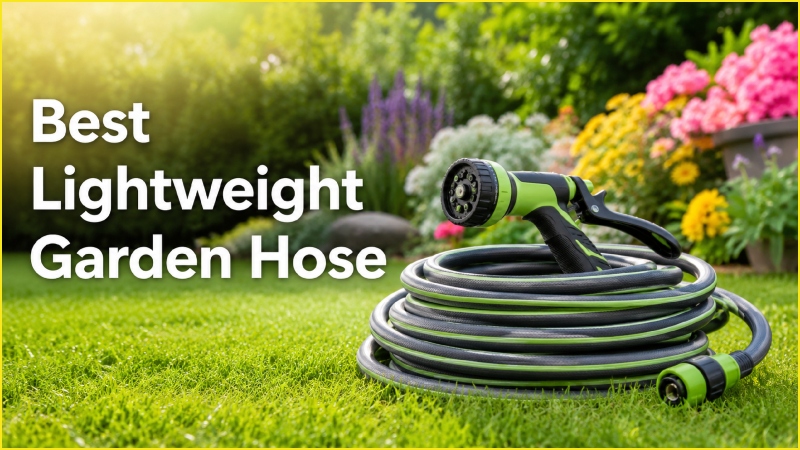
Best Lightweight Garden Hose should be relaxing, not exhausting. Yet for many homeowners, watering plants becomes frustrating because of heavy garden hoses that are difficult to drag, kink easily, and take up too much storage space. Whether you’re watering flower beds, washing your car, or maintaining a vegetable garden, a bulky hose can quickly turn a simple task into hard work.
This is exactly why lightweight garden hoses have become increasingly popular over the past few years. They are designed to be easy to carry, flexible enough to move around obstacles, and compact enough for convenient storage. From small urban gardens to large backyards, these hoses offer a practical solution without sacrificing performance. In this guide, you’ll learn why lightweight garden hoses are worth considering, the materials they are made from, the essential features to look for, how to choose the right size, maintenance tips, common mistakes to avoid, and answers to the most frequently asked questions. By the end of this article, you’ll have everything you need to choose the best lightweight garden hose for your outdoor space.
Why Choose a Lightweight Garden Hose?
A lightweight garden hose offers much more than convenience. Modern designs combine durability with flexibility, making everyday watering tasks easier and more efficient.
Easier to Maneuver Around the Yard
One of the biggest advantages of a lightweight hose is how easily it moves across your yard. Unlike traditional heavy rubber hoses, lightweight models glide around trees, flower beds, patios, and outdoor furniture with minimal effort.
This improved flexibility allows you to spend less time untangling your hose and more time caring for your plants. If you frequently water different areas of your garden, you’ll immediately notice how much easier the job becomes.
Reduces Strain During Watering
Carrying a heavy hose can put unnecessary stress on your hands, shoulders, and back, especially during longer watering sessions. Lightweight hoses significantly reduce physical strain, making them an excellent option for seniors, homeowners with mobility concerns, or anyone looking for a more comfortable gardening experience.
The reduced weight also makes it easier to coil and store the hose after every use.
Better for Storage in Small Spaces
Storage space matters, especially for homeowners with compact garages, sheds, or patios. Lightweight hoses generally coil into tighter loops and occupy less room than traditional rubber hoses. Expandable models are even more space-efficient because they shrink after the water supply is turned off, making them ideal for apartments, townhouses, and homes with limited storage.
Benefits Beyond Everyday Watering
A lightweight garden hose isn’t just useful for watering plants. Many homeowners use these hoses for washing vehicles, cleaning patios, filling bird baths, rinsing outdoor furniture, and even bathing pets. Because they’re easier to transport, they also work well for RV owners, campers, and people who frequently move gardening equipment around different parts of their property.
Key Materials Used in Lightweight Hoses
The material of a garden hose directly affects its flexibility, durability, weight, and overall lifespan.
Rubber vs. Vinyl vs. Polyurethane
Rubber hoses are traditionally known for their excellent durability and ability to withstand high water pressure. However, they are considerably heavier than other options.
Vinyl hoses are lighter and more affordable, making them suitable for occasional gardening. While they offer convenience, they may not last as long under frequent outdoor use. Polyurethane hoses provide an excellent balance between strength and weight. They resist abrasion, remain flexible in different temperatures, and often have a longer service life than vinyl alternatives while remaining significantly lighter than rubber.
Expandable Hose Fabric Technology
Expandable hoses use an inner latex core surrounded by a durable woven fabric cover. When water flows through the hose, it expands to its full length. Once the water is turned off, it contracts back to its compact size.
This innovative design makes expandable hoses extremely lightweight and easy to store. Many homeowners appreciate them because they rarely kink and require minimal storage space.
Features to Look for Before Buying
Choosing the right lightweight garden hose involves more than simply selecting the lightest option available.
Length and Diameter Considerations
Garden hoses are commonly available in lengths ranging from 25 to 100 feet. Choosing the appropriate length ensures sufficient reach without adding unnecessary weight.
The diameter also affects water flow. A 5/8-inch hose generally provides an ideal balance between pressure and flow for most residential gardening needs.
Kink-Resistance
Kinks interrupt water flow and often shorten the lifespan of a hose. Modern lightweight hoses are designed with reinforced construction to minimize twisting and bending.
Selecting a kink-resistant hose helps maintain consistent water pressure while reducing frustration during use.
Burst Pressure Rating
Burst pressure indicates the maximum water pressure a hose can safely handle before failing.
A higher burst pressure usually reflects stronger construction and better durability, particularly if you frequently use pressure nozzles or high-pressure outdoor faucets.
UV and Weather Resistance
Garden hoses remain exposed to sunlight, changing temperatures, rain, and moisture throughout the year.
UV-resistant materials help prevent cracking, fading, and deterioration caused by prolonged sun exposure, extending the hose’s usable life.
Brass vs. Plastic Fittings
The fittings connecting your hose to faucets and spray nozzles play a significant role in durability.
Solid brass fittings are generally stronger, resist corrosion, and create tighter, leak-free connections. Plastic fittings may reduce weight and cost but often wear out more quickly with repeated use.
How to Choose the Right Length for Your Garden
Selecting the proper hose length depends entirely on the size of your outdoor space.
A 25-foot hose works well for balconies, patios, and very small gardens where the faucet is close to the plants. A 50-foot hose is suitable for most average residential gardens, providing enough reach without becoming difficult to handle. For larger yards, landscapes, or multiple watering zones, a 75- or 100-foot hose offers better coverage. However, longer hoses naturally become slightly heavier and may reduce water pressure over extended distances.
Whenever possible, choose the shortest hose that comfortably reaches every area you need to water.
Maintenance Tips to Extend Hose Life
Proper maintenance can significantly increase the lifespan of any lightweight garden hose.
Proper Draining and Storage
After each use, disconnect the hose and allow all remaining water to drain completely. Storing a hose filled with water can encourage mold growth, internal damage, and unnecessary strain on fittings. Coiling the hose neatly also prevents permanent bends and tangles.
Avoiding Sun Damage
Continuous exposure to direct sunlight gradually weakens many hose materials. Whenever possible, store your hose in a shaded location, inside a garage, or on a wall-mounted hose reel to protect it from UV damage.
Cleaning and Winterizing
Occasionally rinse the inside of the hose to remove dirt, algae, and mineral deposits. Before freezing temperatures arrive, drain the hose completely and store it indoors. Frozen water inside the hose can expand, causing cracks and permanent damage.
Common Mistakes to Avoid When Using a Lightweight Hose
Many hose problems result from improper usage rather than poor manufacturing.
Leaving a hose pressurized after watering places constant stress on the inner lining. Dragging it across rough concrete, sharp rocks, or thorny bushes can damage the outer layer. Using water pressure beyond the manufacturer’s recommended limit may also shorten its lifespan. Likewise, storing the hose while tightly twisted or exposing it to freezing temperatures without draining can cause unnecessary wear. Taking a few simple precautions helps maintain performance for years.
Is a Lightweight Garden Hose Right for You?
Lightweight hoses are an excellent choice for homeowners seeking convenience, flexibility, and easier storage. They are especially suitable for small to medium-sized gardens, raised beds, container gardening, patios, and routine household cleaning tasks. If maximum durability for commercial or heavy-duty construction work is your priority, a traditional heavy-duty rubber hose may still be preferable. However, for everyday residential gardening, lightweight hoses provide an outstanding combination of comfort and performance.
Frequently Asked Questions
Are lightweight garden hoses durable?
Yes. High-quality lightweight hoses made from reinforced polyurethane or durable expandable materials can provide many years of reliable service when properly maintained. Choosing a model with quality fittings and UV-resistant construction greatly improves durability.
How long do expandable hoses last?
The lifespan depends on build quality, water pressure, storage habits, and frequency of use. With proper care and correct storage, many expandable hoses continue performing well for several years.
Is a lightweight garden hose safe for hot water?
Some lightweight hoses are specifically designed to handle warm or hot water, while others are intended only for cold water use. Always check the manufacturer’s specifications before connecting the hose to a hot water source.
Do lightweight hoses reduce water pressure?
Not necessarily. A properly sized hose with an appropriate diameter provides excellent water flow. Extremely long hoses or those with very narrow diameters may experience some reduction in pressure.
Final Thoughts
A lightweight garden hose can make routine outdoor tasks faster, easier, and far more enjoyable. From improved maneuverability and reduced physical effort to compact storage and modern materials, today’s lightweight hoses offer impressive performance for homeowners of every experience level. When choosing the best lightweight garden hose, focus on material quality, appropriate length, kink resistance, durable fittings, and weather protection rather than weight alone. Investing in a well-built hose that matches your specific gardening needs will save time, reduce frustration, and provide dependable performance season after season.